

Best Insurance Options for Your Truck | Compare Coverage
-
Home
-
Trucking Insurance
-
What Insurance Is Best for a Truck?

What Insurance Is Best for a Truck?
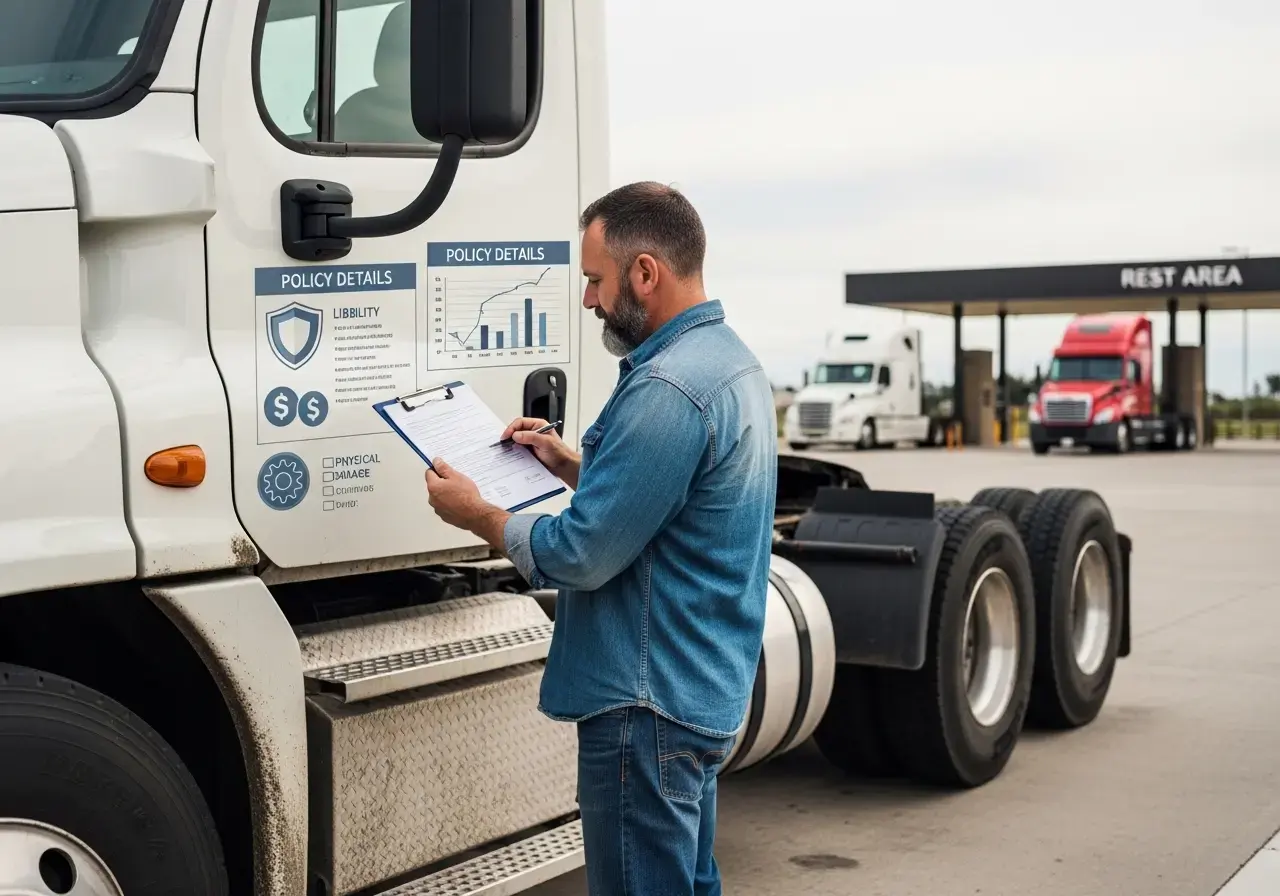
Choosing the right truck insurance depends on how you use your vehicle. This guide breaks down the differences between personal and commercial coverage, explains what protections working trucks actually need, and covers specific insurance requirements for dump trucks, food trucks, and pickup trucks used for business. Learn about liability limits, cargo coverage, New York regulations.

Introduction
I get this question almost every week. Someone calls the office or walks in and asks straight up: What insurance should I get for my truck?
The honest answer is that there's no single best policy. It depends on what you do with the truck. A guy hauling scrap metal in a dump truck doesn't need the same coverage as someone running a taco truck in Brooklyn. And neither of them should be driving around with just a basic auto policy. Let me walk you through how to figure out what actually makes sense for your situation.
What Best Insurance Really Means for a Truck
When people say best, they usually mean one of three things.
Some want the cheapest option that keeps them legal. Others want enough coverage to protect their business if something goes wrong. And a few want everything covered, no matter the cost.
The problem is that the cheapest option usually isn't enough. I've seen too many owner operators get hit with a claim and realize their policy doesn't cover what they thought it did.
The right insurance is the one that matches how you use the truck and what you can afford to lose if things go sideways.
If you're running a business with your truck, you need commercial coverage. If you only use it on weekends to haul your boat, personal coverage might be fine. But mixing the two up is where people get burned.
Personal vs Commercial Truck Coverage
Here's the main difference.
- Personal truck insurance: covers you when you're driving for personal reasons. Commuting to work. Running errands. Taking your family somewhere.
- Commercial truck insurance: covers you when the truck is part of your business. Hauling cargo. Making deliveries. Transporting equipment or materials for money.
Let's say you own a pickup truck and use it to run a landscaping business during the week. On Saturday, you drive it to Home Depot for supplies for your own house. If you only have personal coverage and you get into an accident while hauling a client's equipment, your insurance company can deny the claim. They'll say you were operating commercially without the right policy.
I saw this happen to a contractor last year. He thought his regular auto insurance was enough. It wasn't. He ended up paying out of pocket for the other driver's car and medical bills.
Commercial policies cost more, but they're built for business use. They cover liability when you're working. They protect you if cargo gets damaged. And they usually include higher limits because the risks are bigger.
Core Coverages Every Working Truck Needs
If you're using your truck to make money, there are a few coverages you can't skip.
- Liability coverage: is the big one. This is what pays if you cause an accident and damage someone else's property or hurt someone. In New York, the minimum required by law is $25,000 per person for injuries, $50,000 per accident, and $10,000 for property damage. But those minimums are way too low for most commercial operations. One serious accident can cost hundreds of thousands of dollars. Most trucking companies carry at least $1 million in liability.
- Physical damage coverage: protects your own truck. This includes collision coverage, which pays if you hit something or roll the truck, and comprehensive coverage, which handles things like theft, fire, or weather damage.If you own the truck outright, you can skip physical damage coverage if you want. But if you're financing it or leasing it, the lender will require it.
- Cargo coverage: is important if you're hauling goods for other people. This pays if the stuff you're transporting gets damaged or stolen. The amount you need depends on what you haul. Electronics and high value goods need more coverage than gravel or lumber. Some operations also need motor truck cargo legal liability, which covers you if you're legally responsible for damage to someone else's freight.
And if you have employees or other drivers on your policy, medical payments coverage and uninsured motorist coverage are worth having. They fill in gaps when someone gets hurt and the other driver doesn't have enough insurance.
Why Custom Coverage Matters
Not every trucking operation looks the same. A lot of newer insurance buyers think they can just pick a standard commercial policy and call it done. But the reality is that custom truck insurance exists because different businesses face different risks.
A guy running a single dump truck doing local construction jobs doesn't need the same limits as a fleet owner hauling cross country freight.
Custom policies let you build coverage around what you actually do. You pick the liability limits that make sense. You add endorsements for specific risks. You adjust deductibles based on your cash flow.
For example, if you do a lot of work on job sites, you might add coverage for loading and unloading. If you're renting trailers, you'll want non owned trailer coverage. If you use your truck for snow plowing in the winter, you need to make sure that's included.
Insurance companies will write policies based on your operation. You just have to tell them what you're doing and ask what they recommend.
Insurance for Different Types of Trucks
Coverage varies depending on the type of truck and how it's used.
Dump Trucks
If you're running a dump truck, you're probably doing construction work, hauling dirt, gravel, demolition debris, or asphalt.
Commercial dump truck insurance needs to cover a few specific things. You're working on job sites where there's a lot of activity and a higher chance of accidents. You're hauling heavy loads that can shift or spill. And you're often driving on rough terrain or busy city streets.
Liability is critical. If you dump a load wrong and damage property, or if debris falls off your truck and causes an accident, you're on the hook.
You also want coverage for the truck itself. Dump trucks take a beating. Repairs are expensive. And if your truck is out of commission, you're not making money.
Food Trucks
Food trucks are a totally different animal. You're not hauling cargo. You're cooking and serving food out of the truck. That changes the risk profile.
Commercial food truck insurance usually includes general liability, which covers customer injuries or property damage. If someone slips near your truck or gets food poisoning, this is what protects you.
You also need coverage for the equipment inside the truck. Grills, fryers, refrigerators, and generators are expensive to replace.
And since you're parked in public spaces a lot, you want coverage for vandalism and theft.
Some food truck owners also carry product liability insurance, which covers issues related to the food itself. It's not always required, but it's smart to have.
Pickup Trucks Used Commercially
A lot of small business owners use pickup trucks. Contractors, landscapers, delivery services, handymen.
If you're using a pickup for business, you need commercial pickup truck insurance. Even if the truck looks like a regular personal vehicle, the way you use it changes the coverage you need.
The main thing is making sure your policy knows you're using it for work. If you don't disclose that, you risk a denial if you file a claim.
Coverage is usually pretty straightforward. Liability, physical damage, and sometimes cargo or tools and equipment coverage if you're carrying valuable gear.
Larger Freight Operations
If you're running bigger rigs or doing long haul trucking, the coverage gets more complex.
You'll need higher liability limits. Federal regulations require at least $750,000 for most interstate carriers, and $1 million if you're hauling certain types of freight.
You'll also need coverage that handles issues like bobtail liability (when you're driving without a trailer), non trucking liability (when you're using the truck for personal reasons), and trailer interchange (when you're using trailers you don't own).
These policies are more expensive, but they're built for the risks that come with running freight operations.
New York Specific Considerations
If you're operating in New York, there are a few things you need to know.
First, New York has specific insurance requirements for commercial vehicles. The state requires minimum liability limits, but those minimums are often not enough to protect your business.
Second, New York is a no fault state for auto insurance. That means your own insurance pays for your medical bills and lost wages after an accident, regardless of who caused it. But that only applies to personal injury protection. Property damage and liability still work the normal way.
Third, insurance costs more in New York than in a lot of other states. The combination of high traffic, strict regulations, and expensive claims drives up premiums. Trucking insurance in New York is not cheap, especially if you're operating in the city.
And if you're doing business in New York City, you might need additional coverage or endorsements depending on what boroughs you work in and what kind of permits you have.
It's worth talking to an agent who knows the local requirements. A lot of out of state insurers don't understand New York's rules, and that can lead to gaps in coverage.
Cost Factors That Affect Truck Insurance
A lot of things influence what you'll pay for coverage. Your driving record is one of the biggest factors. If you have accidents or tickets, expect higher rates. Insurance companies see you as a higher risk.
The type of cargo you haul matters too. Hauling hazardous materials or high value goods costs more to insure than hauling gravel or dirt.
Where you drive plays a role. If you're doing local deliveries in low traffic areas, you'll pay less than someone driving through Manhattan every day.
The weight and value of your truck affect your premium. A $70,000 truck costs more to insure than a $20,000 truck.
Your claims history is another big one. If you've filed a lot of claims in the past, insurers will charge you more. Some might not even offer you coverage.
And how long you've been in business matters. Newer operations usually pay higher rates because there's less track record to go on.
You can bring costs down by shopping around, raising your deductible, or bundling policies. But don't cut coverage just to save money. That almost always backfires.
Understanding Quotes and Comparing Policies
When you start getting commercial truck insurance quotes, you'll notice they vary a lot. One company might quote you $4,000 a year. Another might say $7,500. Same truck, same coverage, different price.
That happens because each insurer evaluates risk differently. They look at your driving record, your business type, your location, and your claims history, and they each come up with their own number.
The key is to make sure you're comparing apples to apples. If one quote has higher liability limits or lower deductibles, it's going to cost more. You need to look at what's actually included.
Ask questions. What's covered? What's excluded? Are there any endorsements or add ons? What happens if you add another truck or driver?
And read the policy. I know it's boring, but it's the only way to know what you're actually buying. Don't just go with the cheapest quote. Sometimes the cheapest option leaves you exposed. You want the best value, not the lowest price.
Common Mistakes Truck Owners Make
I've seen a lot of people mess this up over the years. The biggest mistake is using personal insurance for a commercial truck. People think they can get away with it because the truck looks like a regular vehicle. But if you're using it for business and you file a claim, the insurance company will investigate. And if they find out, they'll deny the claim.
Another mistake is underestimating how much liability coverage you need. The state minimums are not enough. One bad accident can wipe out your business if you don't have adequate limits.
Some people skip cargo coverage because they think it's too expensive. But if you're hauling someone else's property and it gets damaged, you're responsible. That can cost you more than the premium.
And a lot of truck owners don't update their policy when their business changes. If you add a new truck, hire a driver, or start hauling different cargo, you need to tell your insurer. Otherwise, you might not be covered.
Frequently Asked Questions
Yes. If you're using the truck to make money, even part time, you need commercial coverage. Personal policies don't cover business use.
Yes. Most commercial policies let you add multiple trucks. It's usually cheaper than insuring each one separately.
You need to add them to your policy. If they get into an accident and they're not listed, your claim could be denied.
At least $1 million for most operations. Some businesses need more depending on what they haul and who they work with.
Probably. Most insurers raise rates after a claim, especially if you're at fault. But it depends on your history and the severity of the claim.
Yes, but it'll cost more. Some companies specialize in high risk drivers. You'll pay higher premiums, but you can still get insured.
Closing Thoughts
There's no one size fits all answer to what insurance is best for a truck.
It depends on how you use it, what you haul, where you drive, and what risks you're willing to take.
The important thing is to be honest about what you're doing and make sure your policy actually covers it. Don't try to save money by cutting corners or hiding how you use the truck. That always ends badly.
Talk to an agent who understands trucking. Get multiple quotes. Read the policy. And make sure you're protected.
Your truck is how you make a living. The right insurance keeps it that way.
Share this post:
Related Posts
Discover what new trucking companies actually pay for insurance in the first year and how to plan yo...

Learn how to get cheap commercial truck insurance with smart tips on comparing quotes, finding disco...
Understand why dump truck insurance premiums are so high. Learn about liability risks, coverage requ...