

Why Dump Truck Insurance Is So Expensive Explained
-
Home
-
Trucking Insurance
-
Why Is Dump Truck Insurance So Expensive?

Why Is Dump Truck Insurance So Expensive?
Understand why dump truck insurance premiums are so high. Learn about liability risks, coverage requirements, claims history, and practical ways to reduce costs. A straightforward guide for owner operators and small fleet managers navigating expensive commercial trucking insurance.

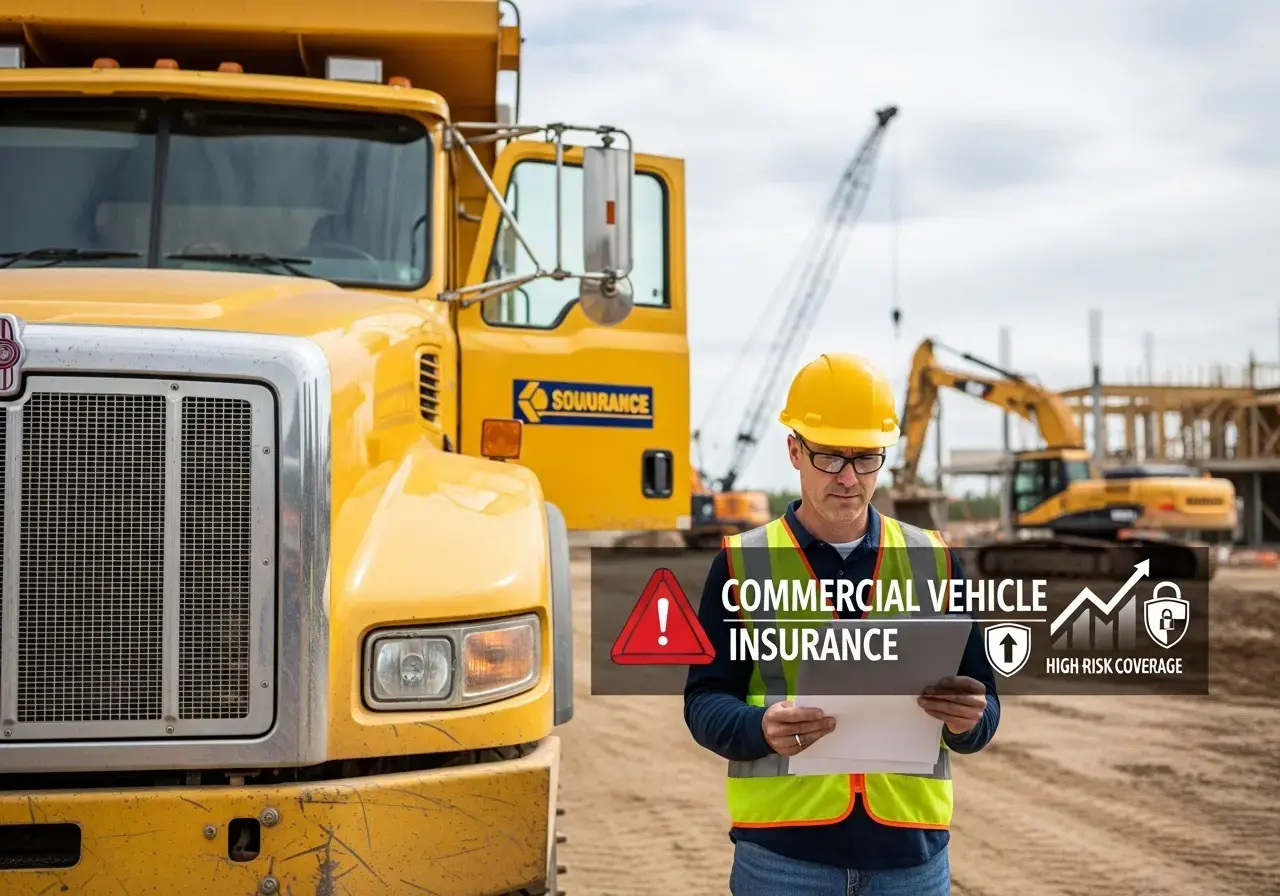
Introduction
You just got your renewal notice. The premium jumped again. You called your agent, and they threw around terms like liability exposure and loss ratios. You hung up more confused than before.
I talk to dump truck owners every week who feel the same way. They run clean operations. No major accidents. Good maintenance records. Yet their insurance costs keep climbing.
The truth is, dump trucks are expensive to insure. Not because insurance companies want to punish small operators. The risk profile is genuinely high. The costs tied to claims are substantial. And the pricing reflects real world data from thousands of accidents, injuries, and property damage incidents.
Let me walk you through why premiums are what they are. This won't make the bills easier to pay, but understanding the reasons helps you make better decisions about coverage.
What Makes Dump Trucks High Risk
Dump trucks haul heavy loads through unpredictable environments. A loaded tri axle can weigh 54,000 lbs or more. That weight alone changes everything about how the vehicle handles, stops, and responds in traffic.
When a dump truck hits something, the damage is rarely minor. A rear end collision with a passenger car can be catastrophic. The truck might have a dent. The car might be totaled. The person inside might face life altering injuries.
Construction zones add another layer of complexity. Tight spaces. Workers on foot. Equipment moving in multiple directions. Poor visibility. Uneven surfaces. Every jobsite creates scenarios where accidents can happen fast.
Debris hauling brings its own problems. Rocks bounce out of beds. Tailgates fail. Loads shift during transport. I've seen claims where a single piece of asphalt flew off a truck and shattered a windshield on the highway. That's a small incident compared to what can happen when an entire load spills.
The materials themselves matter too. Wet dirt weighs more than dry dirt. Overloaded trucks are harder to control. Brake failures happen more often under extreme weight. All of this feeds into the actuarial models insurers use to set rates.
Liability Exposure on Construction Sites
Construction sites are lawsuit magnets. Someone gets hurt, and suddenly there are multiple claims against multiple parties. The property owner, the general contractor, subcontractors, and every truck that came on site that day.
Dump truck operators get pulled into these claims regularly. Maybe you were hauling fill dirt when a pedestrian tripped over uneven ground you didn't create. Doesn't matter. You were there. You're named in the suit.
Third party injuries drive up insurance costs industry wide. A worker hit by a reversing dump truck might need surgery, physical therapy, lost wage replacement, and long term care. That claim could easily reach six figures. Some reach seven.
Property damage claims add up too. You back into a fence. You clip an excavator. Your truck rolls through fresh concrete. Each incident triggers a claim. Each claim goes on your record and impacts future pricing.
Bodily injury liability is where the real financial exposure sits. Medical bills, pain and suffering, loss of consortium. Juries tend to sympathize with injured workers more than trucking companies. Settlements reflect that reality.
Vehicle Value and Equipment Costs
A decent used dump truck costs anywhere from $50,000 to $150,000 depending on age, condition, and configuration. New trucks can push $200,000 or more. That's a lot of money to replace if the truck gets totaled.
Physical damage coverage protects your investment, but it's not cheap. Insurers look at the replacement cost, the likelihood of theft, and the frequency of accidents in your area. Higher vehicle values mean higher premiums.
Custom equipment complicates things further. Electric tarps, upgraded hydraulics, specialized beds. These modifications increase the truck's value and the cost to repair after an accident. Some modifications also increase risk if they're not installed properly.
Dump beds themselves are expensive to fix. Hydraulic systems fail. Tailgate hinges break. Rust eats through steel. Even minor damage can cost thousands to repair correctly. Insurers know this and price accordingly.
Older trucks sometimes cost more to insure than newer ones. Parts are harder to find. Repair shops charge more for labor on outdated systems. The truck might have more mechanical failures that lead to accidents. Age isn't always your friend when it comes to premiums.
Claims History in the Dump Truck Industry
Insurance companies track loss data across entire industries. Dump trucks as a category have a poor claims record compared to many other commercial vehicles. More frequent accidents. Higher severity when accidents happen. Bigger payouts overall.
Backing accidents are incredibly common. Tight construction sites. Limited visibility. Spotters who aren't paying attention or aren't there at all. A driver reverses into something or someone almost every day somewhere in the country.
Rollovers happen more often than people think. Uneven ground. Raised beds on slopes. Shifted loads. A dump truck tips over, and suddenly you're looking at a total loss plus whatever the truck damaged when it fell.
Cargo related incidents add to the problem. Unsecured loads. Hydraulic failures that dump material onto roadways. Debris that falls during transport. Each incident creates a claim, and those claims raise rates for everyone operating dump trucks.
The data doesn't lie. Insurers see patterns. They adjust pricing models based on what actually happens in the field. If dump trucks cost more to insure than box trucks, it's because dump trucks generate more claims and bigger losses.
How Commercial Coverage Differs from Personal Coverage
You can't insure a dump truck used for business with a personal auto policy. That's not a technicality. It's a fundamental difference in how risk is calculated and coverage is structured.
Personal auto insurance assumes you're driving to work, running errands, and taking road trips. It's built for private passenger vehicles used for everyday activities. Business use of a commercial vehicle falls completely outside that framework.
Commercial policies account for the fact that you're earning income with the truck. You're on the road more often. You're carrying paying loads. You're operating in commercial environments. The risk exposure is exponentially higher.
Coverage limits are different too. Personal policies might cap liability at $100,000 or $250,000. Most commercial dump truck operations need at least $1 million in liability coverage. Some contracts require $2 million or more.
If you try to use a personal policy for commercial work and file a claim, the insurer will deny it. You'll be on the hook for all costs out of pocket. Plus, you'll likely face policy cancellation and have trouble finding coverage afterward. It's not worth the risk or the savings.
Breakdown of Required Coverages
- Liability insurance is the foundation. It covers bodily injury and property damage you cause to others. This is legally required in every state, though minimum limits vary. Most dump truck operators carry far more than the state minimum because contract requirements and practical risk demand it.
- Physical damage coverage protects your truck. Collision pays for repairs after an accident. Comprehensive covers theft, vandalism, fire, and weather damage. If you financed the truck, the lender will require both.
- Cargo insurance might be necessary depending on what you haul. If you're transporting someone else's materials and they get damaged or lost, cargo coverage protects you from that financial loss.
- Medical payments coverage handles injuries to you and your passengers regardless of fault. It's not required everywhere, but it can help cover immediate medical costs after an accident without waiting for liability determinations.
- Uninsured motorist coverage kicks in when someone without insurance hits you. It's optional in some states, required in others. Given how many uninsured drivers are on the road, it's worth considering.
Rental reimbursement helps pay for a replacement truck while yours is being repaired. Downtime costs you money. This coverage helps keep you working while your truck is in the shop.
State and Local Requirements
Every state sets its own minimum insurance requirements for commercial vehicles. Those minimums are usually inadequate for real world risk, but they establish the legal baseline you must meet.
Some states require higher limits for heavier trucks. If your dump truck exceeds a certain weight threshold, you might need $750,000 or $1 million in liability coverage just to register and operate legally.
Federal requirements apply if you cross state lines or haul certain materials. Interstate operations fall under FMCSA regulations, which mandate specific insurance minimums based on the type of cargo and vehicle weight.
Local jurisdictions sometimes add their own requirements. Cities might require higher liability limits for trucks working on municipal contracts. Counties might have bonding requirements. Every location has its own rules.
Operating without proper coverage isn't just risky. It's illegal. You can face fines, license suspension, and even criminal charges in some cases. The legal consequences alone make proper insurance non negotiable.
Why Quotes Vary So Much
You call five insurance companies and get five wildly different quotes. One comes in at $8,000 per year. Another wants $15,000 for nearly identical coverage. The variation feels random.
It's not random. Every insurer uses different risk models, different loss data, and different pricing strategies. Some specialize in trucking and price competitively. Others avoid the segment and price themselves out intentionally.
Your driving record matters enormously. A clean MVR gets you better rates. Accidents, tickets, and violations push premiums higher. Some carriers weigh recent violations more heavily. Others look at your entire driving history.
Claims history follows you. If you filed multiple claims in the past three to five years, expect higher quotes across the board. Frequency matters more than severity to some insurers. Others focus on total dollars paid out.
Credit scores affect pricing in most states. Insurers have found statistical correlations between credit behavior and claims likelihood. Fair or not, your credit report influences what you pay for coverage.
Where you operate impacts rates significantly. Urban areas with heavy traffic cost more to insure than rural routes. Some states have higher average claims costs due to legal environments and jury verdicts. Your garaging address matters.
The type of work you do also plays a role. Hauling asphalt to highway projects might be viewed differently than hauling demolition debris from residential teardowns. Insurers assess risk based on the specifics of your operation.
Do Big Carriers Offer Better Rates?
Big name insurance companies have marketing budgets and brand recognition. That doesn't automatically mean better rates for dump truck coverage.
Some large carriers offer competitive pricing for trucking because they have scale and diversified risk pools. They can absorb losses more easily and price aggressively to gain market share.
Other major insurers don't really want trucking business. They'll quote it because you asked, but the price reflects their lack of interest. They'd rather write homeowners and personal auto policies.
Specialized trucking insurers often beat the big names on price and coverage. They understand the industry. They know what risks matter and what risks are overblown. They structure policies that make sense for working truck owners.
Shopping around is essential. Don't assume the company that insured your personal car will give you the best deal on your dump truck. Don't assume a TV commercial means competitive pricing.
Get quotes from both national carriers and regional specialists. Compare coverage terms, not just premium numbers. Cheap coverage with terrible claims service costs you more in the long run.
Role of a Broker or Agency
An insurance broker doesn't work for one insurance company. They work for you. They shop your risk to multiple carriers and present you with options.
Good brokers understand trucking. They know which insurers are competitive for dump trucks. They know which ones pay claims fairly and which ones fight everything. That knowledge saves you time and money.
Brokers can also package coverage more efficiently. They might bundle your truck insurance with general liability or workers compensation and negotiate better overall pricing than you'd get buying each policy separately.
Direct writers sell policies from one company only. They might be cheaper if their company happens to be competitive for your specific risk. But you're limited to that one option. No comparison shopping.
Agencies sometimes have access to specialty markets that don't deal directly with the public. If you have a difficult risk profile, a broker might be your only path to affordable coverage.
The downside is that brokers charge fees or earn commissions. That cost is usually baked into your premium, so you don't see it directly. But it's there. Weigh the value of their expertise against the cost of their service.
Ways Owners Can Reduce Premium Costs
Increasing your deductible lowers your premium. If you can afford to pay $2,500 or $5,000 out of pocket after an accident instead of $1,000, your rate drops. Just make sure you actually have that cash available if something happens.
Maintain a clean driving record. Speeding tickets and minor violations add up. Serious accidents and DUIs can double your premium or make you uninsurable. Drive carefully and avoid citations.
Invest in driver training. Some insurers offer discounts for operators who complete defensive driving or trucking safety courses. Even without a discount, better driving skills reduce accidents and claims over time.
Install safety equipment. Backup cameras, dash cams, and collision avoidance systems can lower premiums with some carriers. They also reduce accident frequency, which helps your long term insurability.
Pay annually instead of monthly if you can. Monthly payment plans usually include fees and interest. Paying the full premium upfront saves you those extra costs.
Review your coverage regularly. You might be paying for limits or endorsements you no longer need. Don't drop essential coverage, but make sure every dollar of premium is protecting real risk.
Bundle policies when it makes sense. Combining your truck insurance with general liability or other business coverage through one carrier or broker can sometimes unlock package discounts.
Shop your insurance every year or two. Loyalty doesn't always pay in insurance. Carriers adjust their appetites and pricing constantly. What was competitive three years ago might not be today.
Common Questions Dump Truck Owners Ask
Rates can increase for reasons unrelated to your personal record. Industry wide losses, changes in state regulations, inflation in repair costs, and shifts in the insurer's risk appetite all affect pricing. Your clean record helps, but it doesn't insulate you from broader market trends.
Yes, but it will be expensive. A DUI marks you as high risk. Some standard carriers won't touch you. You'll likely need to work with a broker who has access to non standard or specialty markets. Expect to pay significantly higher premiums for several years.
If you ever drive trucks you don't own or have employees driving their personal vehicles for your business, this coverage protects you. It's usually inexpensive and fills gaps that could otherwise leave you exposed.
A lapse creates problems. Insurers view gaps in coverage as red flags. You'll face higher rates when you reinstate. You might lose good driver discounts. In some states, you'll face registration penalties or fines. Keep continuous coverage even if you're not actively working.
It depends on the cost versus your deductible and how the claim might affect your future rates. A $1,500 repair might not be worth filing if your deductible is $1,000 and the claim could raise your premium by $500 per year for three years. Talk to your agent before filing.
Closing Thoughts
Dump truck insurance is expensive because dump trucks are expensive to operate, expensive to repair, and expensive to defend in court when things go wrong. The pricing reflects reality, not insurance company greed.
Understanding what drives your premium helps you make smarter choices. You can't eliminate the cost, but you can manage it. Shop carefully. Drive safely. Work with people who understand your business. The sticker shock doesn't go away, but at least now you know what you're paying for. Read more
Share this post:
Related Posts
Discover what new trucking companies actually pay for insurance in the first year and how to plan yo...

Learn how to get cheap commercial truck insurance with smart tips on comparing quotes, finding disco...
Choosing the right truck insurance depends on how you use your vehicle. This guide breaks down the d...