

Best Insurance for Trucking Companies | Compare Coverage
-
Home
-
Trucking Insurance
-
What Is the Best Insurance for a Trucking Company?

What Is the Best Insurance for a Trucking Company?
Learn what trucking insurance your company actually needs. This guide explains liability coverage, custom policies, and how to avoid common gaps that leave trucking businesses exposed. Written for owneroperators, small fleets, and specialized haulers who want real protection, not just the cheapest policy.

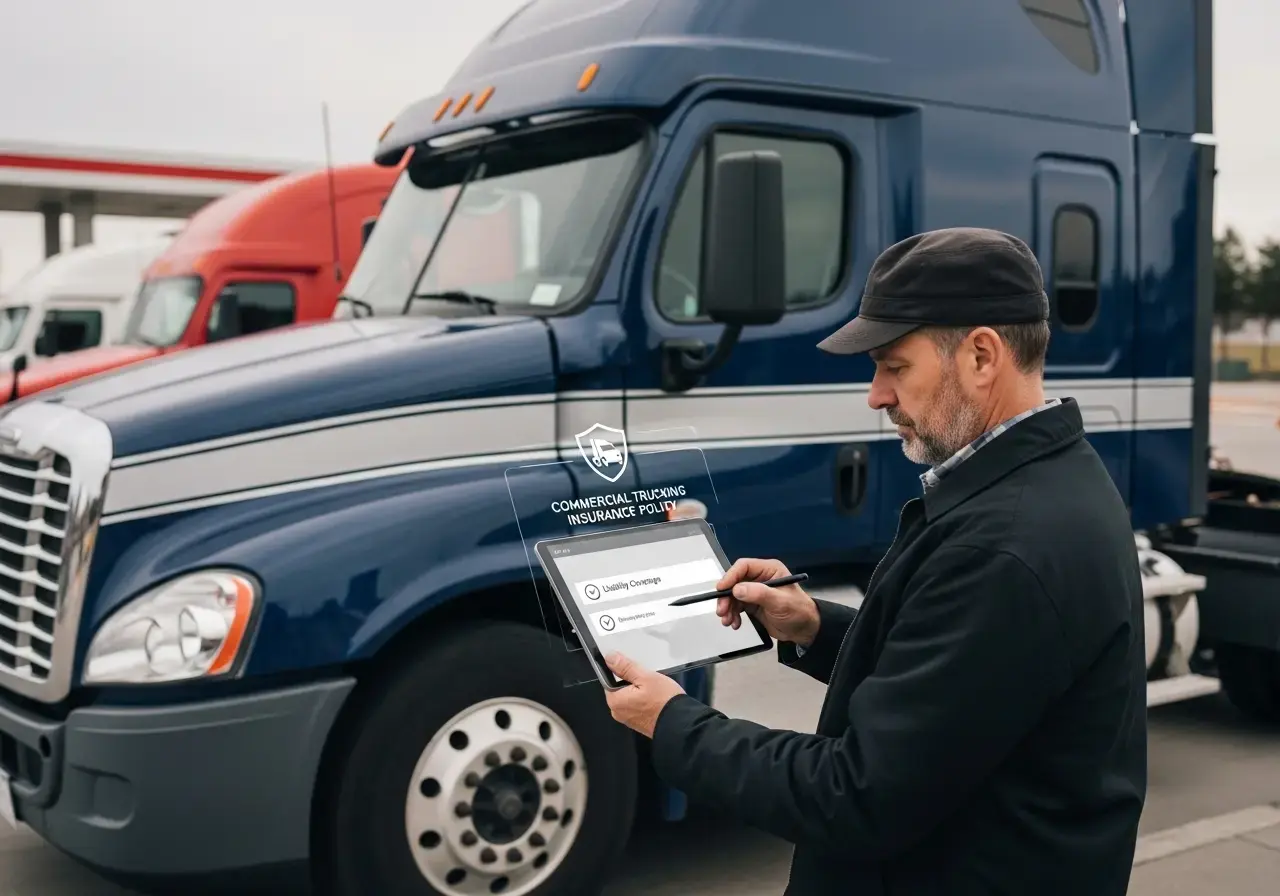
Trucking insurance is not something you figure out after an accident. By then, it's too late. You either have the right coverage or you find out the hard way that you don't.
I've worked with trucking businesses across New York for years. I've seen what happens when someone buys cheap insurance just to get a policy in place. I've also seen what happens when someone takes the time to understand what they actually need. The difference is huge.
The best insurance for a trucking company is not the cheapest option. It's not the most expensive either. It's the coverage that matches how you operate, what you haul, where you drive, and what could go wrong along the way.
What Best Insurance Really Means for a Trucking Company
When trucking business owners ask about the best insurance, they usually mean one of two things. Either they want the lowest price that meets DOT requirements, or they want real protection that won't fall apart when something bad happens. Those are not the same thing.
Best insurance means coverage that actually works when you need it. That means understanding your operation first, then building coverage around it. A dump truck hauling gravel in Brooklyn has different risks than a refrigerated truck running cross country loads. A single owner operator needs different protection than a fleet with ten trucks.
You can't copy someone else's policy and expect it to fit your situation. You also can't assume that meeting state minimums will keep you safe if a serious accident happens. The goal is not just to be legal. The goal is to avoid getting wiped out financially because you didn't have the right policy in place.
Core Insurance Every Trucking Company Needs
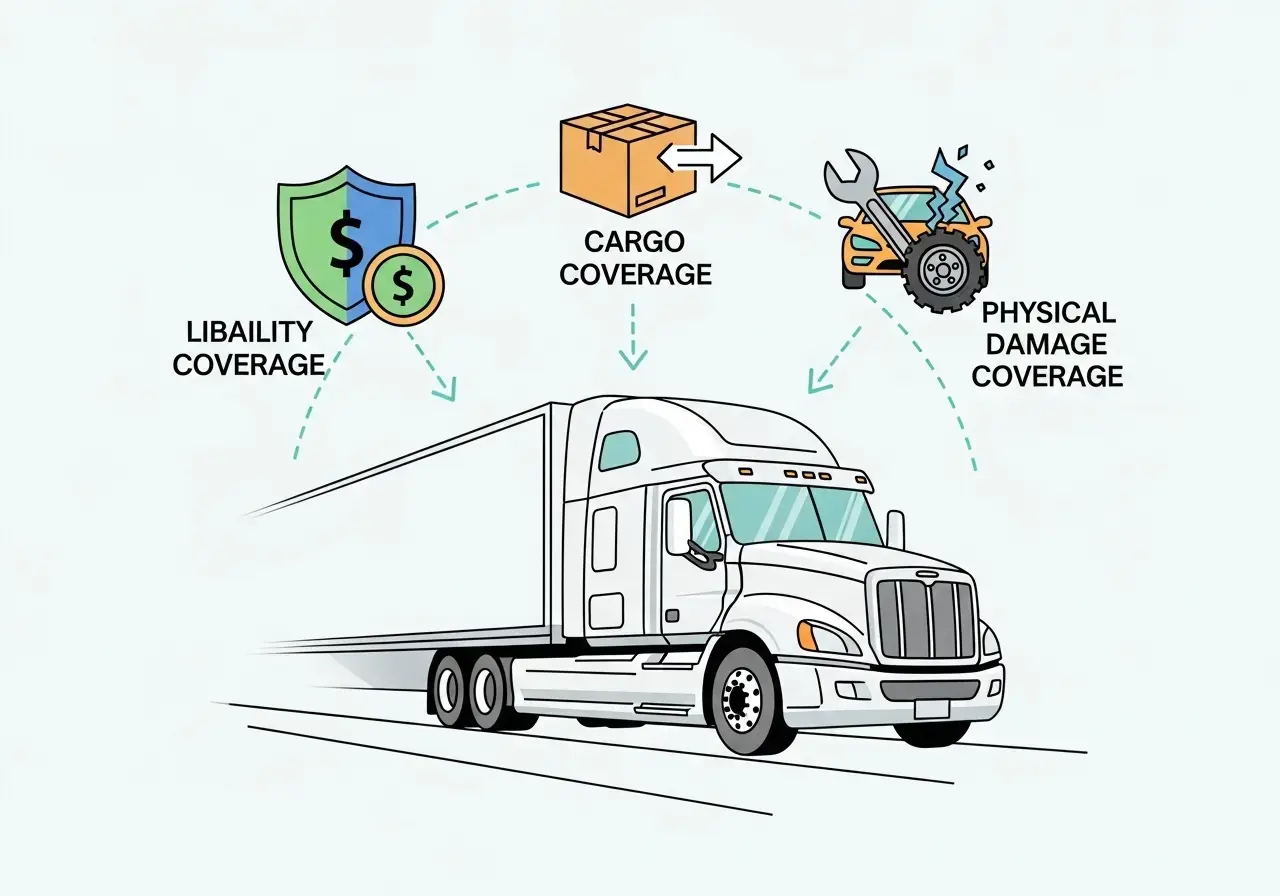
Let's start with the basics. Every trucking company operating commercially needs certain coverage types just to stay legal and keep moving. Trucking liability insurance is mandatory. This covers damage or injuries you cause to other people or their property. The minimum required depends on what you haul and how much your truck weighs. Most interstate carriers need at least $750,000, but many operations require $1 million or more.
Liability protects the other party. It does not protect your truck, your cargo, or your income if your truck is sitting in a repair shop for three months. Physical damage coverage protects your truck. This includes collision and comprehensive coverage. Collision pays for damage from accidents. Comprehensive covers theft, fire, vandalism, and weather damage. If your truck is financed, the lender will require this coverage.
Cargo insurance protects what you haul. If you damage or lose a customer's freight, cargo coverage pays for it. This is often required by contracts, and it's separate from liability insurance. These three types form the foundation. Without them, you're either illegal or extremely exposed.
Why Custom Coverage Matters
Not every trucking company needs the same insurance. This is where custom truck insurance becomes important. Let's say you run a small operation with one truck. You haul local construction materials five days a week within a fifty mile radius. You don't need the same coverage as someone running long haul refrigerated freight across state lines.
Custom coverage means your policy reflects your actual risk. It accounts for the type of freight you carry, the routes you run, the age and condition of your equipment, and the experience of your drivers. A standard policy might leave gaps. Custom coverage fills those gaps without paying for protection you don't need.
For example, if you haul hazardous materials, you need pollution liability and higher limits. If you operate older trucks, you might need different physical damage terms. If you use owner operators under your authority, you need non owned auto coverage.
The point is to match the policy to the operation. Not the other way around.
Insurance for Different Types of Trucking Operations
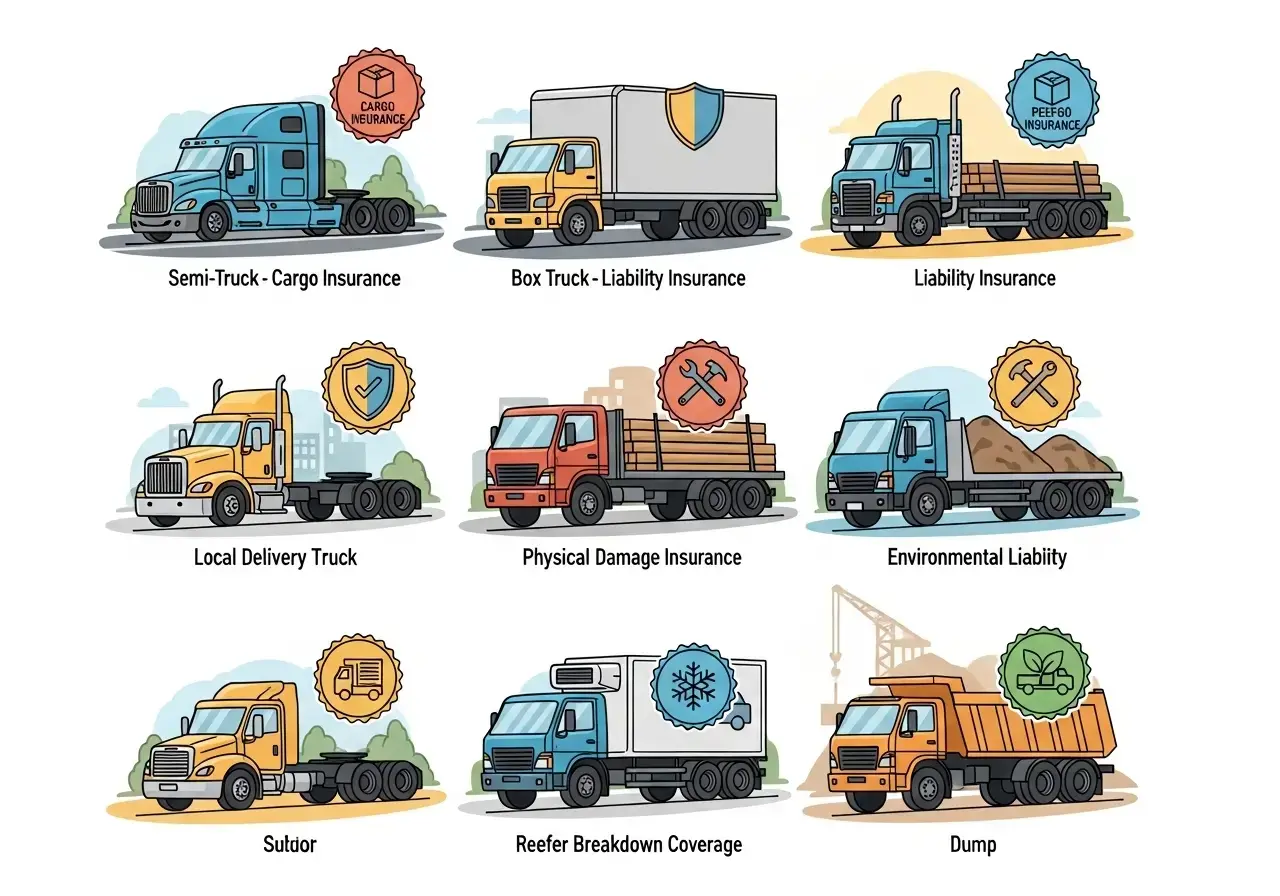
Different trucking operations face different risks. The insurance needs to reflect that. If you're running a single truck, your priorities are straightforward. You need liability coverage that meets DOT requirements, physical damage if the truck is financed, and cargo insurance if you're hauling freight under contract. Single truck insurance is simpler to set up, but you still need to pay attention to exclusions and limits.
Owner operators face a slightly different situation. If you lease to a larger carrier, the carrier's policy usually provides primary liability while you're under dispatch. But you still need your own coverage for bobtail and non trucking liability. This protects you when you're not hauling freight. Many owner operators skip this coverage because they don't understand the gap. That's a mistake. Owner operator semi truck insurance should include both your working liability and your off duty exposure.
Dump truck operations are different again. Dump trucks usually work locally, but the work itself creates specific risks. Loading zones, construction sites, and frequent stops all increase the chance of accidents. Commercial dump truck insurance needs to account for the environments where dump trucks operate, not just highway risks.
If you operate both trucks and trailers, you need coverage for both. A trailer sitting in a yard can still be damaged or stolen. Truck and trailer insurance makes sure both pieces of equipment are protected. This is especially important if you interchange trailers with other carriers or leave trailers at customer sites.
Tow truck operators deal with unique exposures. Towing involves handling other people's vehicles, working in traffic, and responding to breakdowns or accidents. Insurance for tow trucks needs to cover garage liability, on hook coverage, and garage keepers liability. Because tow truck insurance can be complicated, many operators work with tow truck insurance brokers who understand the specific coverage requirements. Each of these operations needs its own approach. Trying to fit them all into one standard policy doesn't work.
Why Location Matters
Where you operate affects your insurance in several ways. State requirements vary. Local regulations matter. Accident rates differ by region. Insurance companies adjust pricing and coverage based on location.
If you operate in New York, you need a commercial truck insurance company in New York that understands the specific requirements here. New York has strict insurance laws and higher minimum coverage requirements than many other states. The MCS 90 endorsement, which is required for interstate carriers, needs to comply with both federal and state rules.
Working with a local provider also helps when you need to file a claim or adjust your policy. Trying to deal with an out of state insurer that doesn't understand New York regulations creates delays and confusion.
Location also affects your rates. Urban operations generally cost more to insure than rural ones. High traffic areas increase accident risk. Crime rates influence theft and vandalism coverage. Even your garaging address matters.
This doesn't mean you need a different insurer for every state you operate in. But your primary insurance provider should understand the regions where you spend most of your time.
Common Coverage Gaps Truckers Overlook
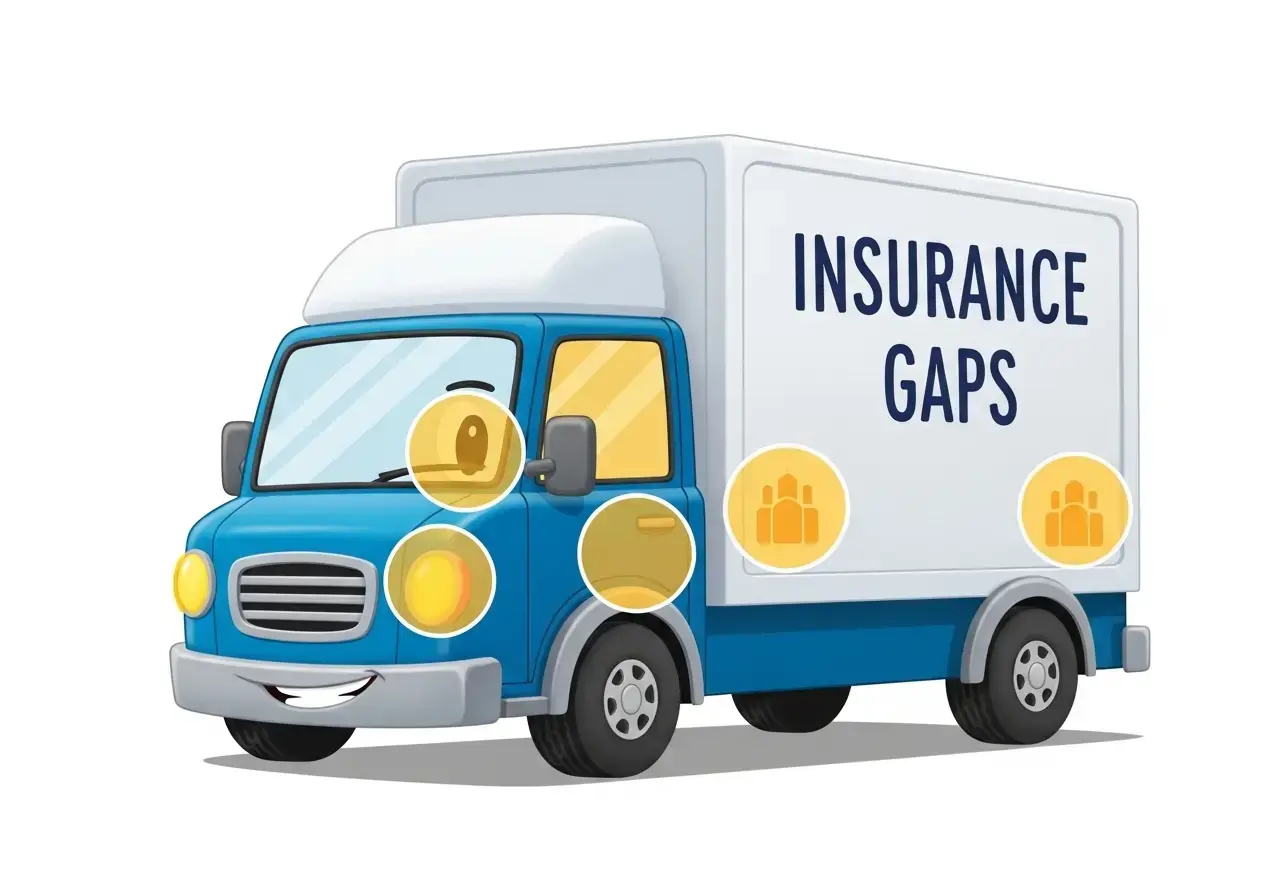
Even experienced trucking companies miss important coverage details. These gaps often don't show up until a claim gets denied. One common problem is misunderstanding when liability coverage applies. If you have a lease agreement with another carrier, you might assume you're fully covered under their policy. But if you're operating outside of dispatch, their coverage doesn't apply. You need your own bobtail or non trucking liability.
Another gap is cargo coverage limits. A lot of policies cap cargo coverage at a certain amount per load. If you haul high value freight, that limit might not be enough. You need to know what the cap is and whether it matches what you typically carry. Trailer interchange is another issue. If you use trailers that belong to someone else, standard physical damage coverage might not cover them. You need trailer interchange coverage specifically.
Downtime is rarely covered unless you add it. If your truck is out of service after an accident, you're losing income every day it sits in the shop. Some policies offer coverage for rental trucks or income loss, but it's usually an add on.
Uninsured motorist coverage is often overlooked. If someone without insurance hits your truck and causes damage, your liability policy won't help you. Uninsured motorist coverage fills that gap. These gaps are expensive. They're also avoidable if you review the policy carefully and ask the right questions before you buy.
Cost Factors That Affect Trucking Insurance
Trucking insurance is not cheap. The cost depends on multiple factors, and understanding them helps you manage your premiums without sacrificing coverage.
Driver history is the biggest factor. A clean driving record gets lower rates. Accidents, tickets, and violations push rates up. If you hire drivers with poor records, expect higher premiums. Some companies won't insure drivers with certain violations at all.
The type of cargo matters. Hazardous materials cost more to insure than general freight. High value cargo costs more than bulk materials. Fragile or perishable goods increase risk.
Your routes affect pricing. Local operations are usually cheaper than long haul. Urban routes cost more than rural ones. Crossing state lines increases rates. Operating in high crime areas raises theft risk.
Vehicle age and condition play a role. Older trucks cost less to insure for physical damage because their value is lower, but they might have higher liability rates if the insurer considers them less safe. Well maintained equipment can sometimes get better rates.
Your claims history matters. A history of frequent claims signals higher risk. Even if the claims were paid, insurers see you as more likely to file again. A clean claims history helps keep rates down.
Coverage limits and deductibles directly affect cost. Higher limits mean higher premiums. Lower deductibles also increase the price. You need to balance protection with what you can afford. The radius you operate within also matters. If you only work within a hundred miles, rates are lower than if you run nationwide.
Choosing an Insurance Provider Without Getting Burned
Finding the right insurance provider takes more than comparing quotes. Price matters, but it's not the only thing that matters. Start by making sure the provider understands trucking. Not all insurance companies know how trucking operations work. A provider that specializes in trucking will understand your risks better and structure coverage more accurately.
Ask about claims handling. A cheap policy is worthless if the insurer fights every claim or takes months to respond. Talk to other trucking companies about their experiences. Find out how the insurer handles claims and whether they're responsive when problems happen.
Check the insurer's financial strength. You need a company that can actually pay claims. Rating agencies like AM Best evaluate insurance companies. Look for a rating of A or better. Read the policy exclusions carefully. Some policies have buried exclusions that eliminate coverage in situations you might face. Ask about exclusions before you buy, not after a claim gets denied.
Understand the cancellation terms. Some insurers cancel policies quickly if you miss a payment or if they decide you're too risky. Others give you more flexibility. Know what the terms are. Ask about coverage adjustments. Your operation might change. You might add trucks, change your cargo type, or expand your service area. Make sure you can adjust your policy without starting from scratch. Work with someone who takes time to explain the policy. If a provider rushes you through the process or avoids answering questions, that's a red flag.
BIZ INS LLC
BIZ INS LLC is a company based in New York that works with trucking businesses to help them understand their insurance needs. They focus on explaining coverage structures, compliance requirements, and how different policy types apply to various trucking operations. The company works with owner operators, small fleets, and specialized trucking businesses to make sure coverage matches the actual risks involved. They approach insurance from a practical standpoint rather than a sales driven one.
Frequently Asked Questions From Trucking Business Owners
You meet the legal requirement, but you're not fully protected. Minimum coverage might not be enough if you cause a serious accident or if your truck is totaled. You could end up paying out of pocket for the difference.
It's possible, but it will cost more. Some insurers won't cover drivers with certain violations. If your record is really bad, you might need to work with a high risk provider or wait until violations drop off your record.
If you're hauling anything under contract, you probably need it. Even low value cargo can add up if you lose or damage an entire load. Most shippers require proof of cargo coverage before they'll work with you.
Both cover you when you're not hauling freight, but the terms are slightly different. Bobtail usually applies when you're driving without a trailer. Non trucking liability applies when you're under your own authority but not dispatched. The coverage you need depends on your operating arrangement.
It varies widely. A local operation with a clean record might pay $8,000 to $12,000 per year. Long haul or high risk operations can pay $20,000 or more. Your actual cost depends on your specific situation.
You can, but there might be cancellation fees. You also need to make sure there's no gap in coverage. If you switch, coordinate the timing so your new policy starts the same day the old one ends.
Closing Thoughts
The best insurance for a trucking company is the coverage that protects you from the risks you actually face. That takes understanding your operation, knowing what coverage types exist, and working with someone who can explain the details clearly.
Cheap insurance is tempting. It saves money in the short term. But if it doesn't cover what you need, it ends up costing far more when something goes wrong.
Take the time to get it right. Ask questions. Read the policy. Make sure the coverage matches your operation. That's how you protect your business without overpaying for things you don't need. Read More
Tags:
Trucking Insurance commercial truck insurance quotes custom truck insurance commercial dump truck insuranceShare this post:
Related Posts
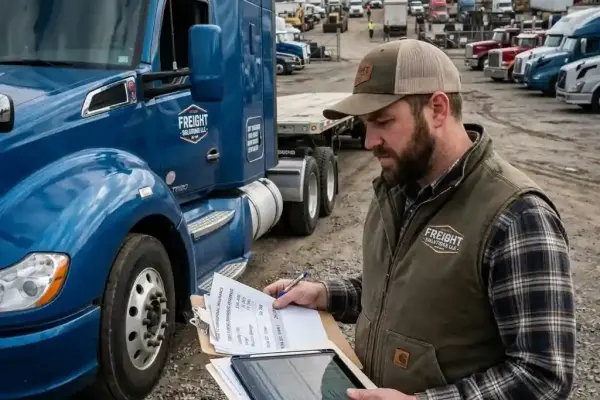
Discover what new trucking companies actually pay for insurance in the first year and how to plan yo...

Learn how to get cheap commercial truck insurance with smart tips on comparing quotes, finding disco...
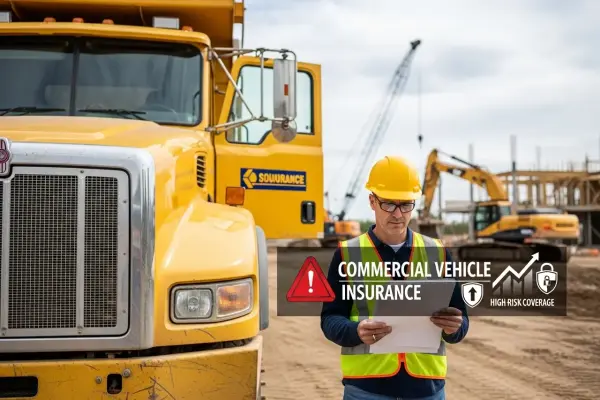
Understand why dump truck insurance premiums are so high. Learn about liability risks, coverage requ...