

Does Uber Require Rideshare Insurance in NYC?
-
Home
-
Uber Insurance
-
Does Uber Require You to Have Rideshare Insurance?

Does Uber Require You to Have Rideshare Insurance?
Does Uber cover you in NYC? Learn how rideshare insurance works, what the TLC requires, and why most drivers need more than Uber's policy to stay protected.

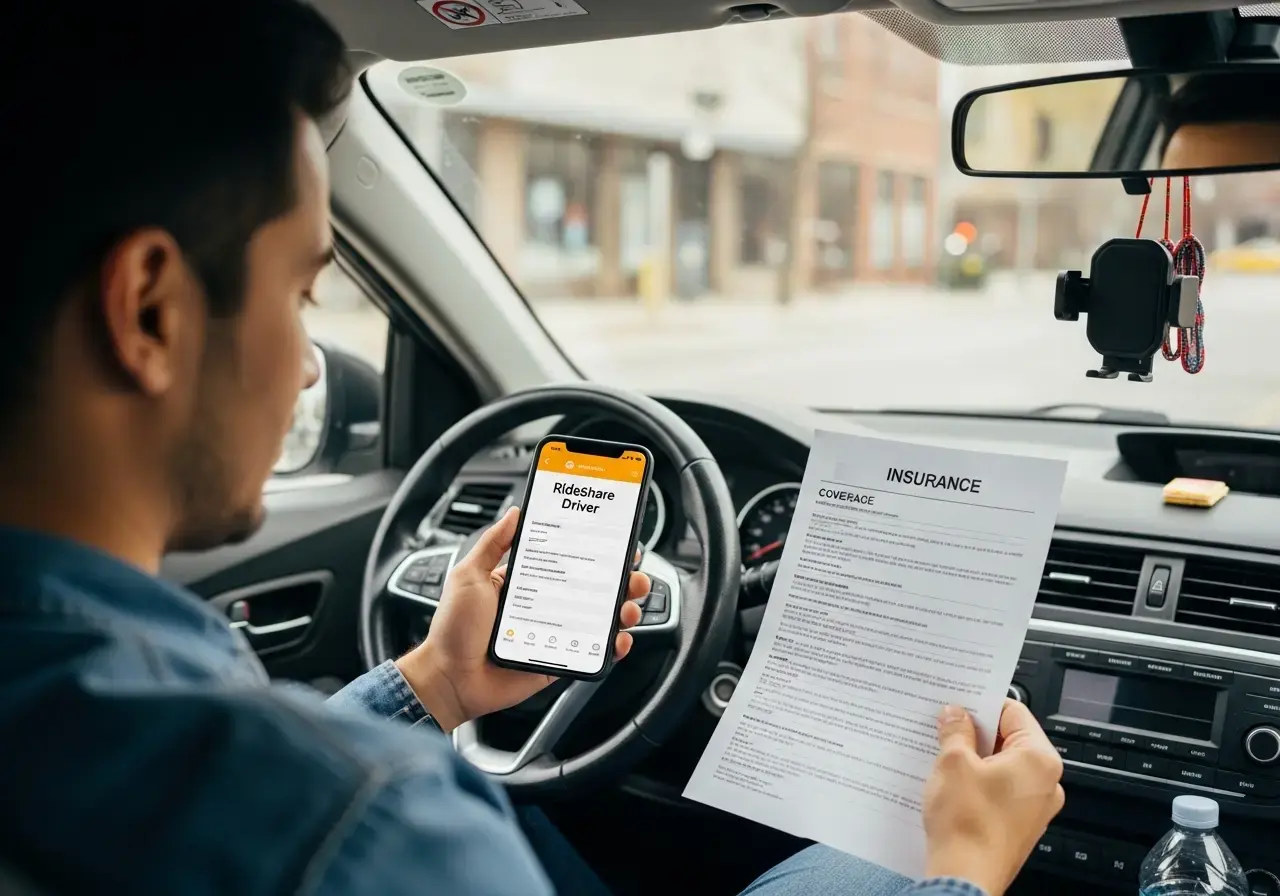
Why So Many NYC Drivers Are Confused About This
I get this question a lot. A new driver signs up with Uber, completes the onboarding, and assumes everything is handled. They figure Uber has them covered for insurance. Then something happens on the road, and suddenly they're dealing with a claim that doesn't go the way they expected.
That confusion is completely understandable. The way rideshare insurance works is genuinely complicated, and New York City adds another layer on top of it. NYC has its own rules through the Taxi and Limousine Commission, better known as the TLC. Those rules are stricter than what you'd find in most other states.
If you've been searching for rideshare insurance NYC quotes and trying to figure out what you actually need, this guide is for you. I'm going to walk through how Uber's coverage works, where it falls short, and what NYC drivers specifically need to know.
Does Uber Require Rideshare Insurance?
The short answer is: it depends on where you are and what phase of driving you're in.
Uber does carry insurance on your behalf while you're actively using the app. But there's a big difference between Uber has some coverage active and you're fully protected. Those are two different things.
In most states, Uber provides a basic liability policy when the app is on but you haven't accepted a ride yet. Once you accept a ride or have a passenger in the car, the coverage increases significantly. Uber's full commercial policy, which includes up to $1 million in liability, kicks in during those active ride phases.
But here's what catches drivers off guard. Between those phases, and outside of them, there are gaps. Real gaps that can leave you exposed. That's where having your own rideshare insurance policy matters.
In New York City specifically, the rules go further than Uber's standard coverage. The TLC has requirements that go above what you'd face in a typical state. More on that in a moment.
How Uber's Insurance Actually Works
Uber divides your time as a driver into what it calls periods. Each period has different coverage attached to it.
App Is Off
When the app is completely off, Uber provides zero coverage. This is just like any other personal driver. Your personal auto insurance is the only thing in play here.
App Is On, Waiting for a Request
This is where a lot of drivers assume they're fully covered, but they're not. Uber offers limited liability coverage during this phase, typically $50,000 per person for bodily injury, $100,000 per accident, and $25,000 for property damage. That sounds like a lot until you're in a serious accident in New York City.
Here's the problem. During Period 1, your personal auto insurance policy may not cover you either. Most personal policies have exclusions for commercial or rideshare use. So you can find yourself in a situation where neither Uber's coverage nor your personal policy steps in properly.
Ride Accepted, En Route to Pickup
Once you accept a ride request and you're driving to pick someone up, Uber's $1 million liability coverage activates. You also get uninsured/underinsured motorist coverage and, if you've opted in, contingent comprehensive and collision coverage.
Passenger Is in the Car
Same coverage as Period 2. The $1 million liability stays in place throughout the trip until the passenger exits.
So the coverage story looks pretty good for Periods 2 and 3. It's Period 1 where you're most exposed, and it's your personal driving time (Period 0) where everything rests on your personal policy.
Why Uber's Coverage Is Not Always Enough
Even during the periods where Uber's coverage is active, drivers can still end up with out of pocket costs. Here are some situations I've seen play out.
First, the coverage limits during Period 1 can be too low for serious accidents. Medical bills in New York City add up fast. A single hospitalization can exceed what Uber's Period 1 limits will pay out.
Second, collision coverage through Uber is contingent, meaning it only applies if you've added collision coverage to your personal policy. If your personal policy doesn't include it, you don't get it through Uber either. A lot of drivers don't realize this until they need it.
Third, there's the issue of your personal insurer finding out you're doing rideshare work. If you've been driving for Uber without telling your personal insurance company, they can deny a claim and even cancel your policy. I've seen this happen. The driver thought they were covered, filed a claim, and got denied because they were doing commercial driving under a personal policy.
Fourth, deductibles. If Uber's contingent collision coverage applies, you're often looking at a $1,000 or $2,500 deductible. That's a real expense.
NYC Specific Insurance Rules: What Every TLC Driver Needs to Know
This is where New York City stands apart from almost every other market in the country.
To drive for Uber or Lyft in New York City, you don't just need any old insurance policy. You need to be licensed through the NYC TLC, and you need commercial insurance that meets TLC standards. This is not optional. It's required before you can legally operate.
The TLC mandates that NYC rideshare drivers carry a commercial auto insurance policy, not a personal policy and not just Uber's platform coverage. You need your own TLC compliant commercial policy.
This is one of the most common misunderstandings I encounter with new drivers. They come from another state, they were driving for Uber there under a different setup, and they assume NYC works the same way. It doesn't.
NYC TLC rideshare insurance must meet specific minimum coverage requirements set by the TLC. Those requirements include higher liability minimums than most states require, and the policy has to be filed directly with the TLC. Your insurer has to be approved by the TLC to write these policies.
Commercial rideshare insurance in NYC typically costs more than what drivers in other states pay. That's partly because of the TLC requirements, partly because of the density of NYC traffic, and partly because of the higher cost of claims in the city. But it's not optional. You cannot legally drive for Uber in New York City without it.
If you're comparing New York City rideshare insurance quotes, make sure you're looking at TLC compliant policies. A standard rideshare endorsement that works in New Jersey or Connecticut won't satisfy TLC requirements in the five boroughs.
Personal Insurance vs. Rideshare Insurance
Let's be direct about this because it causes a lot of confusion.
A standard personal auto insurance policy is designed for personal use. Driving to work. Running errands. Visiting family. When you start using your vehicle to earn money through a rideshare platform, you've changed the nature of how that car is being used.
Most personal auto policies have explicit language that excludes coverage during commercial or livery use. Rideshare driving falls into that category. The moment you accept a ride request on the Uber app, you are operating commercially.
Some insurers have started offering rideshare endorsements that can be added to a personal policy. These endorsements essentially bridge the gap during Period 1, providing coverage when the app is on but you don't have a passenger yet. That can work in some states. But in New York City, it still doesn't replace the TLC commercial insurance requirement.
If you're a NYC driver and someone tells you that a personal policy with a rideshare endorsement is enough, get a second opinion. The TLC requirement for a commercial policy is separate from whatever your personal insurer offers.
Types of Insurance NYC Uber Drivers May Need
Based on what I see drivers dealing with in NYC, here's a practical breakdown of what's typically involved.
TLC Commercial Auto Policy
This is the foundation. You need a TLC approved commercial policy to operate legally in New York City. This is not something you can substitute with a personal policy or a rideshare endorsement. Your insurer must be licensed to write TLC policies and file the required documents with the TLC.
Liability Coverage
Your commercial policy will include liability coverage. Make sure the limits meet or exceed TLC minimums. Given the cost of accidents in NYC, many experienced drivers carry limits above the minimum.
Collision and Comprehensive
This covers your actual vehicle. Whether it's damage from an accident, theft, or weather damage. If you're driving a newer or financed vehicle, this coverage matters a lot. Don't rely solely on Uber's contingent coverage for this.
Uninsured/Underinsured Motorist
New York has a lot of drivers, and not all of them have adequate insurance. Uninsured motorist coverage protects you if you're hit by someone who can't pay. This is worth having.
Disability and Lost Wage Coverage
This one gets overlooked. If you're injured in an accident while driving and you can't work, what happens to your income? New York does have no fault auto insurance, which includes some lost wage coverage, but it has limits. Full time rideshare drivers in particular should think about this.
What Affects the Cost of Rideshare Insurance in NYC
The cost of rideshare insurance in New York City is higher than in most markets. That's just the reality. But it varies quite a bit from driver to driver. Here are the main factors.
Your driving record is one of the biggest factors. Accidents, tickets, and violations will increase your premium. A clean record gets you better rates.
The type of vehicle you drive matters too. A newer SUV costs more to insure than an older sedan. High value vehicles cost more to repair, so insurers charge more.
Your TLC license status and how long you've been driving commercially can also affect your rate. New TLC licensees sometimes pay higher premiums until they build a track record.
The coverage limits you choose obviously affect the price. Higher limits mean higher premiums. But choosing limits that are too low to save money on premiums can cost you much more if you're ever in a serious accident.
When you're shopping for rideshare insurance NYC quotes, compare policies carefully. Don't just look at the premium. Look at the coverage limits, the deductibles, and whether the policy is actually TLC compliant. The cheapest policy on paper is not always the best value.
Some of the major carriers that write TLC commercial policies in NYC include Progressive, among others. Progressive rideshare insurance has been a common option for TLC drivers, though availability and pricing vary. Always verify that any policy you're considering meets current TLC requirements before you purchase.
Common Mistakes NYC Uber Drivers Make
After years of working with drivers on insurance questions, these are the mistakes I see most often.
Relying Only on Uber's Coverage
Uber's insurance is real, but it has gaps. Period 1 coverage is limited. Contingent collision has conditions. And in NYC, Uber's platform coverage does not satisfy the TLC commercial insurance requirement on its own. Drivers who rely solely on what Uber provides are exposed in ways they don't realize until something goes wrong.
Hiding Rideshare Activity from Their Personal Insurer
Some drivers keep a personal policy and don't tell their insurer they're doing rideshare work. This is a serious mistake. If the insurer discovers it, they can deny claims and cancel the policy. In New York, that can also affect your TLC license status. Be transparent with your insurer or switch to a policy that properly covers rideshare activity.
Buying the Wrong Type of Policy
As mentioned earlier, a personal policy with a rideshare endorsement does not meet NYC TLC requirements. Some drivers buy these endorsements thinking they're covered for everything. They're not. Make sure any policy you're comparing is specifically a TLC commercial auto policy.
Not Updating Coverage When Switching Vehicles
If you get a new car and forget to update your insurance policy, you may have coverage on the wrong vehicle. This is a basic one, but it happens. Any time you change vehicles, update your policy immediately and notify the TLC.
Choosing Coverage Based Only on Price
It's tempting to go with the lowest rideshare insurance NYC quotes you find. But a policy with coverage limits that are too low can leave you personally responsible for costs that exceed those limits after a serious accident. Think about what you're actually protecting when you make this decision.
Questions Drivers Often Ask
No. In NYC this is particularly problematic. The TLC requires commercial insurance that must be filed with them. There's no way to hide rideshare activity from the TLC requirement. And if you file a claim under a personal policy and the insurer finds out you were doing rideshare work, the claim will likely be denied.
Uber does carry insurance that applies in various phases of driving. But in NYC, that does not replace the TLC commercial insurance requirement. You need your own TLC approved policy in addition to whatever Uber's platform provides.
It varies significantly. Many full time TLC drivers pay somewhere between $5,000 and $10,000 per year or more, depending on their vehicle, driving record, and coverage levels. Part time drivers may find different options. Comparing rideshare insurance in NYC from multiple TLC approved carriers is the best way to find a competitive rate.
Progressive does write commercial policies for TLC drivers in New York and is a common name drivers encounter when shopping for coverage. Whether it's the right fit depends on your specific situation. Compare quotes and make sure the policy is TLC compliant.
The TLC receives notification if your insurance is cancelled or lapses. This can result in suspension of your TLC license, which means you can't legally drive for Uber or any rideshare platform. Don't let your policy lapse. Set reminders for renewal well in advance.
Closing Thoughts
The question of whether Uber requires rideshare insurance doesn't have a one size fits all answer. Uber provides coverage during your trips, but that coverage has real limits and real gaps. And in New York City, the TLC adds a layer of requirements that go beyond what most drivers encounter in other states.
If you're driving for Uber in NYC, here's what you actually need to understand. First, Uber's platform insurance is real but not complete. Second, NYC TLC drivers are required to carry their own commercial auto policy that meets TLC standards. Third, a personal policy, even with a rideshare endorsement, does not satisfy that TLC requirement.
When you're comparing New York City rideshare insurance quotes, focus on TLC compliant commercial policies, not just the cheapest option you can find. Think about the coverage you'd actually need if something serious happened. The difference between adequate coverage and inadequate coverage doesn't show up on a normal day. It shows up on a bad one.
Understanding these distinctions is one of the most practical things you can do for yourself as a driver. The time you spend figuring this out now is a lot less painful than dealing with a denied claim or a suspended TLC license after the fact. Read more
Share this post:
Related Posts
Driving for Uber? Discover the exact insurance you need to stay protected and avoid costly mistakes....
A practical guide for Uber drivers explaining insurance requirements, coverage gaps, and real costs....

Most NYC rideshare drivers don't realize they're underinsured until it's too late. Personal auto ins...