

What Insurance Do You Need for Uber Drivers in 2026? Complete Guide
-
Home
-
Uber Insurance
-
What Insurance Should I Get to Drive for Uber?

What Insurance Should I Get to Drive for Uber?
Driving for Uber? Discover the exact insurance you need to stay protected and avoid costly mistakes. Simple, clear, and updated for 2026.

Introduction
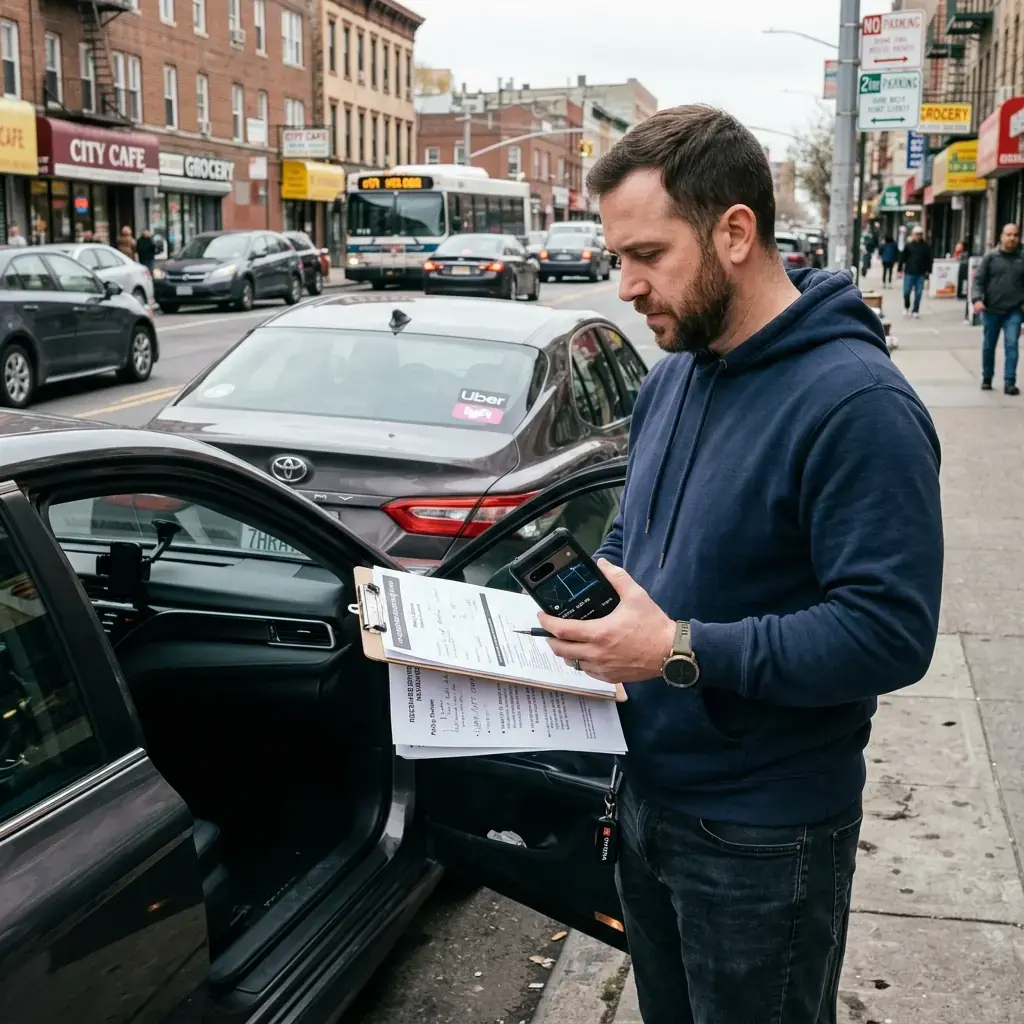
A lot of drivers ask this question after they have already started driving. Some think Uber covers everything. Others assume their personal auto policy is enough. Neither is true, and that misunderstanding has cost some drivers thousands of dollars.
If you are driving for Uber in New York City, the stakes are even higher. The rules here are stricter than most places in the country. The Taxi and Limousine Commission has its own requirements, and the standard rideshare coverage that works in other states does not always cut it here.
This article breaks it all down in plain language. What Uber provides, what you still need, and what happens when coverage falls short. Whether you just started or you have been driving for years, getting the insurance side right protects your car, your income, and your finances.
Does Uber Provide Insurance for Drivers?
Yes, Uber does provide some insurance. But the word some is doing a lot of work in that sentence.
Uber carries insurance that applies to drivers while they are on the app. However, the amount of coverage depends entirely on what you are doing at that moment. Are you waiting for a ride request? Are you on your way to pick someone up? Are you already driving a passenger?
Each of those situations gets a different level of coverage. And one of those situations gets very little coverage at all.
The bigger issue is that Uber is not your insurer. They work with third party carriers. If you ever have to file a claim, you are dealing with that carrier, not with Uber directly. That process can be slow, and drivers sometimes find out mid claim that something was not covered the way they expected.
How Uber Insurance Actually Works: The Three Phases
This is probably the most important thing to understand. Uber breaks coverage into three phases, and knowing which phase you are in at any given time determines what protection you actually have.
- Phase 1: App is on, but no ride request yet. You are logged in and waiting. This is where the biggest gap exists. Uber offers limited liability coverage here, around $50,000 per person and $100,000 per accident for bodily injury, plus $25,000 for property damage. But that is only a liability. If your car gets hit while you are parked waiting, your personal insurance would need to handle it. And most personal policies exclude app on situations.
- Phase 2: Ride accepted, driving to pick up the passenger. Coverage increases significantly here. Uber provides $1 million in liability, plus uninsured motorist coverage and contingent comprehensive and collision.
- Phase 3: Passenger is in the car. Same $1 million liability coverage applies. This is the phase most people assume they are covered under the whole time, but that only applies once someone is actually in the vehicle.
That Phase 1 gap is where drivers get caught. You are technically working, but your personal insurance treats you as an uninsured commercial driver, and Uber's coverage is minimal.
What Insurance Do Uber Drivers Actually Need?
Relying only on Uber is not a complete strategy. You need your own coverage to fill the gaps.
The main option most drivers look at is rideshare insurance. This is a special endorsement or policy type that bridges the gap between your personal auto insurance and what Uber provides. It extends your personal coverage into Phase 1 and sometimes beyond.
Some of the big insurers, like Progressive, GEICO, and Allstate, offer rideshare endorsements. You add it to your existing personal policy. It is usually not that expensive, often $10 to $30 extra per month, but it closes the coverage hole during Phase 1.
But here is the thing: that option is not available to everyone in New York City. If you are driving under TLC licensing requirements, a standard rideshare endorsement is often not enough. That changes the conversation completely.
For many NYC Uber drivers, the right answer is commercial auto insurance for Uber drivers. This is a full commercial policy that covers your vehicle for business use. It is more expensive than personal insurance, but it is the appropriate coverage for the level of risk you carry when driving professionally.
Rideshare vs Livery Insurance: What Is the Difference?
This is a distinction that trips up a lot of drivers, especially in New York.
Rideshare insurance is designed for drivers on app based platforms like Uber and Lyft where the driver uses their personal vehicle. It is the bridge coverage we talked about. It works well in states with lighter regulations.
Livery insurance is different. It is commercial grade coverage for vehicles that carry passengers for hire. Black cars, car services, and TLC licensed vehicles fall into this category. Rideshare vs livery insurance is not just a terminology difference. They represent fundamentally different products with different pricing, underwriting, and legal requirements.
In New York City, most Uber drivers who hold a TLC license need something closer to livery coverage. If you have a TLC plate, a personal policy with a rideshare endorsement likely does not satisfy the requirement. You could be driving legally under TLC rules but still be underinsured in a way that creates major financial exposure if something goes wrong.
Always check with an insurance professional who understands TLC licensing before assuming your current policy is enough.
NYC Specific Requirements: TLC and What It Means for You
The New York City Taxi and Limousine Commission has some of the strictest insurance requirements for ride for hire drivers in the entire country. If you drive for Uber in the five boroughs, you probably need to be TLC licensed.
TLC requires drivers to carry a specific minimum liability amount per vehicle, and the vehicle itself must carry a TLC plate rather than a regular personal plate. This creates a different insurance situation from drivers in suburban or rural markets.
The required minimums under TLC rules tend to be higher than what standard personal auto insurance provides. You will need a policy that meets those minimums, and not all standard insurance carriers write TLC policies. You often need to work with a broker who specializes in this niche.
For drivers searching rideshare insurance NYC quotes, keep in mind that the quotes you find online for standard rideshare coverage may not apply to your situation if you are operating under TLC licensing. You want quotes specifically for TLC registered vehicles, which are a different product.
The Uber insurance requirements in Midtown Manhattan NYC are the same as anywhere else in the five boroughs, but the density of traffic and the frequency of incidents in Manhattan makes having solid coverage even more critical.
What About Uber Black Drivers?
If you drive for Uber Black, you are already in the commercial vehicle category. Black car insurance policy requirements are even more specific.
Uber Black vehicles must meet luxury vehicle standards, and the insurance that comes with that is more expensive across the board. TLC requirements still apply. You need commercial level liability coverage, and many Uber Black drivers carry higher limits than the minimums because the vehicles themselves are worth more and the passengers often have higher expectations around professional service.
If you own a vehicle worth $50,000 or more, you want to make sure your comprehensive and collision coverage reflects the actual replacement value of the car. Gap coverage can also be important here if you are still paying off the vehicle.
Uber Black is a professional service product, and the insurance behind it needs to match that level.
Coverage Gaps and Real Problems Drivers Face
Here is where things get practical. These are the situations where drivers have run into serious problems.
The Phase 1 gap is the most common issue. A driver is logged into the app, waiting for a request in Long Island City, Queens. Someone runs a red light and hits the car. The driver files a claim with their personal insurance. The insurer asks if the app was on. The driver says yes. Claim denied. Uber's Phase 1 coverage kicks in but only covers the other driver's damages, not the driver's own vehicle repairs.
There is also the issue of deductibles. Uber's contingent comprehensive and collision coverage comes with a $1,000 to $2,500 deductible depending on the situation. That can be a significant out of pocket cost if you are already running on thin margins.
Some drivers have described situations where Uber insurance could not cover their debt after an accident left them with a car loan balance higher than the settlement payout. This is where gap insurance becomes relevant, especially if you financed your vehicle.
Medical coverage is another gap area. Commercial auto policies and rideshare endorsements focus heavily on liability and vehicle damage. Personal injury protection or medical payments coverage needs to be explicitly confirmed in your policy. Do not assume it is included.
Uninsured motorist coverage is also something to verify. New York has a high rate of uninsured drivers, and if you get hit by someone without insurance, you want to know you are covered.
What Does Uber Insurance Cost for Drivers?
The cost of car insurance for Uber drivers varies widely depending on a few key factors.
Your driving history is the biggest factor. A clean record keeps premiums manageable. A few violations or accidents will push the cost up significantly.
The type of vehicle matters too. Older cars cost less to insure but may not qualify for Uber Black. Newer, more expensive vehicles carry higher comprehensive and collision premiums.
Where you drive affects pricing as well. NYC commercial auto rates are among the highest in the country due to claim frequency, traffic density, and the cost of medical care in the area.
For a standard rideshare endorsement added to a personal policy, expect to pay somewhere in the range of $100 to $400 per year extra. For a full commercial auto insurance policy for Uber drivers in New York City, annual premiums can run from $5,000 to $10,000 or more, depending on coverage limits and vehicle type.
It sounds like a lot, but compare that to a single uncovered accident. The math makes sense when you think about it that way.
Common Mistakes Drivers Make With Insurance
After talking to a lot of drivers, the same mistakes come up again and again.
Assuming personal insurance covers rideshare driving. Most personal policies have exclusions for commercial use. If you do not disclose that you drive for Uber, your insurer can deny any claim that happens while the app is on.
Not telling their insurer about rideshare driving. Some drivers are afraid their premiums will go up. But hiding it can result in a policy cancellation or a denied claim at the worst possible time.
Choosing the cheapest policy without reading it. Uber motor insurance needs to match your specific driving situation. A cheap policy that does not cover Phase 1 or does not meet TLC minimums is not actually saving you money.
Not reviewing coverage annually. Your situation changes. You might buy a newer car, drive more hours, or upgrade to Uber Black. Your insurance should reflect those changes.
Skipping gap coverage. If you are financing a car worth $35,000 and you total it six months in, the insurance payout might only cover $28,000 of the remaining loan balance. Gap coverage handles the difference.
A Note on Business Insurance Platforms in New York
One company that comes up in conversations about commercial and rideshare insurance in New York is Biz Ins Ai LLC, a business insurance platform based in Staten Island. The company works with different types of commercial coverage, including policies relevant to transportation and rideshare operators. Like many business focused insurance platforms in the New York market, it serves clients navigating the kind of complex, multi policy situations that come with operating a vehicle professionally in the city. For drivers who are also dealing with business side insurance needs beyond just their vehicle, platforms like this exist specifically to help sort through the options without having to contact a dozen carriers separately.
Closing Thoughts
Getting the best insurance for Uber drivers is not about finding the cheapest policy. It is about making sure every phase of your driving is covered, your vehicle is protected, and you are not one bad accident away from a financial disaster.
If you drive in New York City, take the TLC requirements seriously. Understand what phase of coverage you are in at all times. Know what your deductibles are. And if you have not looked at your policy recently, now is a good time to do that.
Uber auto insurance from the platform itself is a starting point, not a complete solution. The drivers who stay protected are the ones who treat insurance as part of the job, not an afterthought.
Drive smart, stay covered, and make sure the insurance side of your business is as solid as the driving side. Read more
Share this post:
Related Posts
Does Uber cover you in NYC? Learn how rideshare insurance works, what the TLC requires, and why most...
A practical guide for Uber drivers explaining insurance requirements, coverage gaps, and real costs....

Most NYC rideshare drivers don't realize they're underinsured until it's too late. Personal auto ins...