

What Does Livery Mean in Insurance? | Simple Explanation
-
Home
-
Livery Vehicle Insurance
-
What Does Livery Mean in Insurance?

What Does Livery Mean in Insurance?
A clear guide explaining what livery means in insurance for drivers and fleet owners. Learn why personal auto policies don't cover for hire vehicles, understand coverage types, and discover New York's strict TLC requirements for black cars, rideshare, and livery operations.

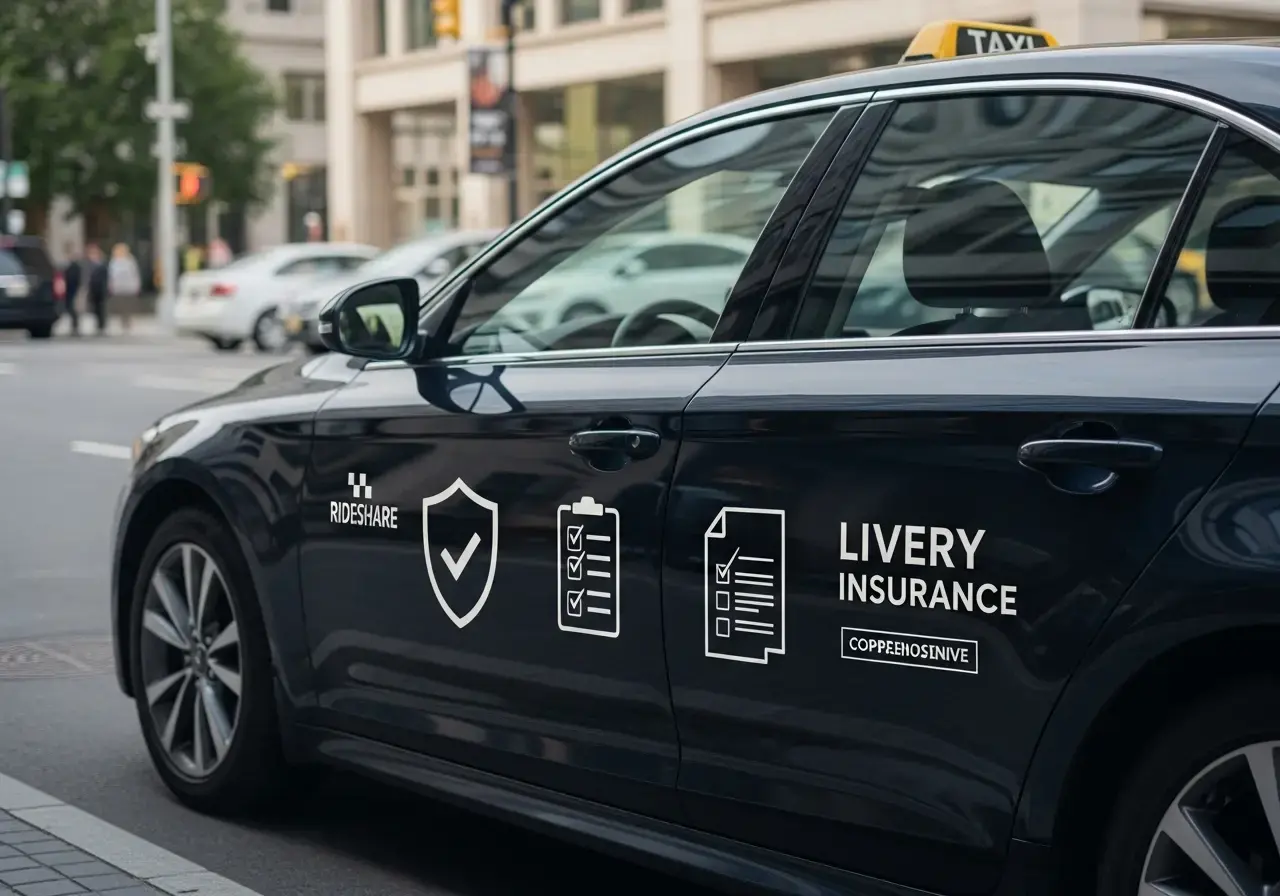
Introduction
You walk into an insurance office. You tell them you drive for Uber. They ask if you need livery coverage. You pause. You thought you just needed car insurance. This happens more than you think. The word livery confuses people. It sounds old. It sounds formal. Most drivers have never heard it until they get denied a claim or told their personal policy won't cover them while they're working. Let me explain what it actually means.
What Livery Actually Means in Insurance
Livery refers to vehicles used to transport passengers for hire. That's it. If you pick up people and charge them money, you're operating a livery vehicle. The word comes from old carriage services. Livery stables would house horses and carriages for hire. Today, we don't use horses. But the term stuck around in insurance and licensing. Think of it this way. A personal car takes you to work. A livery vehicle takes other people where they need to go, and you get paid for it.
Black cars in New York. Rideshare vehicles. Taxis. Airport shuttles. Any vehicle carrying paying passengers falls into this category.
Insurance companies treat these vehicles differently because the risk is different. You're driving more hours. You're picking up strangers. You're navigating unfamiliar routes. Claims happen more often.
That's why personal auto insurance doesn't apply when you're working.
How Livery Differs From Personal Auto Insurance
Personal auto policies cover you driving to the store. Driving to your job. Taking your kids to school.
They do not cover you when passengers pay you to drive them.
I've seen drivers find this out the hard way. They get into an accident while on a trip. They file a claim. The insurance company investigates. They see the driver was working for a rideshare platform. Claim denied.
Now the driver has medical bills, car damage, and possibly a lawsuit from the passenger. All out of pocket.
Personal policies specifically exclude commercial use. It's written into the contract. Most people never read that part until it's too late.
Livery insurance exists to fill that gap. It covers you during the exact moments personal insurance won't.
Some rideshare companies provide limited coverage. But it only applies during certain phases of a trip. If you're waiting for a ride request with the app on, you might have minimal coverage. Or none at all, depending on the company and your location.
That's why many drivers carry their own livery policy. It removes the guesswork.
Common Types of Livery Vehicles
Not all livery vehicles look the same. Black cars are common in New York. These are prearranged luxury vehicles. Think executive transport. Airport pickups. Corporate accounts. They can't pick up street hails like taxis.
Taxis can pick up passengers on the street. They have meters. They operate under different rules but still count as livery. Rideshare vehicles work through apps like Uber and Lyft. The car might look like any sedan on the road. But when the app is on, it's a livery vehicle.
For hire vehicles include shuttles, vans, and services that transport groups. Hotels use them. Airports use them. They also need livery coverage. Each type has its own insurance requirements. New York regulates black cars differently than taxis. Rideshare has its own set of rules. Understanding what category your vehicle falls into matters when you buy insurance.
Livery Insurance Coverage Types
Livery policies include several types of coverage. Liability is the foundation. It covers damage you cause to others. New York requires high liability limits for TLC licensed vehicles. We're talking $100,000 per person and $300,000 per accident at minimum. Many operators carry $1 million or more.
Physical damage covers your own vehicle. Collision pays for repairs after an accident. Comprehensive covers theft, vandalism, weather damage. Uninsured motorist protection matters in New York. If someone without insurance hits you, this coverage steps in. Medical payments coverage handles medical bills for you and your passengers, regardless of fault.
Some policies include coverage for personal belongings. If a passenger's phone gets damaged in an accident, this can help.
Rideshare drivers often need hybrid policies. These cover personal use and commercial use in one package. They activate different coverage depending on whether the app is on. The key is matching coverage to how you actually use the vehicle.
State Level Differences
Livery insurance requirements by state vary widely. New York has some of the strictest rules in the country. California has its own set of requirements. Texas handles things differently.
Some states require livery operators to carry higher liability limits than others. Some mandate uninsured motorist coverage. Others don't.
Filing requirements differ too. In some states, you file proof of insurance with the DMV. In others, you file with a taxi and limousine commission or a public utilities board.
If you operate in multiple states, you need to understand the rules in each one. A policy that works in New Jersey might not meet New York standards.
Insurance companies that write livery policies usually know the local requirements. But it's your responsibility to make sure you're compliant. Don't assume your policy covers you everywhere you drive.
Why New York Has Stricter Rules
New York City has millions of people. Thousands of for-hire vehicles operate every day. The TLC oversees black cars, livery vehicles, and rideshare operations.
The city requires high insurance limits because accidents in dense urban areas can be catastrophic. A crash in Manhattan might involve multiple vehicles, pedestrians, and expensive property damage.
Livery vehicle insurance in New York must meet TLC standards. That means liability limits higher than most states require. It means filing certificates with the TLC. It means using approved insurance carriers.
If your insurance lapses, the TLC can suspend your license. You can't work until you prove coverage again. This protects passengers. It protects other drivers. It protects you from financial ruin if something goes wrong.
New York also requires background checks, vehicle inspections, and driver training. Insurance is just one part of a larger regulatory framework designed to keep the system safe.
Black Car and Rideshare Coverage
Black car operations in New York require specific insurance structures. A black car insurance policy in New York typically includes commercial liability, physical damage, and coverage for hire. These policies are written for vehicles that can't pick up street hails but accept prearranged trips. Base stations often require drivers to carry certain coverage levels. If you lease a vehicle through a base, they'll tell you what insurance you need.
Rideshare is different. Uber and Lyft provide some coverage, but it depends on the phase of the trip.
- The app is on, waiting for a request. Minimal coverage, sometimes just liability at state minimums.
- Request accepted, driving to pick up the passenger. Better coverage, but still limited.
- Passenger in the vehicle. Full coverage from the rideshare company.
The problem is Phase 1. Many personal policies won't cover you even during this waiting period. That's why rideshare endorsements exist. They fill the gaps. If you drive in New York, check with your insurance agent. Make sure you understand what's covered and when.
Self Insurance Trusts Explained Clearly
Some large fleet operators don't buy traditional insurance. They use something called a livery vehicle self insurance trust.
Here's how it works.
Instead of paying premiums to an insurance company, the fleet sets aside money in a trust. That money is reserved to pay claims. The trust acts like an insurance fund, but the fleet controls it.
New York allows this for operators with large numbers of vehicles. The TLC has to approve it. The fleet must prove it has enough money set aside to cover potential claims.
This option doesn't make sense for individual drivers. You need significant capital. You need legal and financial infrastructure. You need approval from the state.
But for big companies, it can be cost effective. They avoid premium markups. They control the claims process. They keep any money that doesn't get used for claims.
Most drivers will never deal with self insurance trusts. You'll work with a traditional insurance carrier. But if you join a fleet, you might encounter this structure. Just know that whether it's a trust or a standard policy, coverage still has to meet TLC requirements.
Choosing a Livery Insurance Provider
Finding the right insurance company takes research. Not every carrier writes livery policies. Some companies focus on personal auto and won't touch commercial coverage. Others specialize in for hire vehicles. When evaluating best livery insurance companies, consider a few things. Do they understand TLC requirements? Do they have experience with your type of vehicle? Can they file certificates directly with the TLC?
Price matters, but it's not everything. The cheapest policy might have gaps in coverage. Or it might come from a carrier that drags out claims. Look at the claims process. Read reviews from other drivers. Ask your base or other operators who they use.
Some agents specialize in livery insurance. They know the rules. They know which carriers are reliable. They can explain your options in plain language. Don't just buy online without talking to someone. Livery insurance is complicated. You want an agent who can answer questions and adjust your policy as your business changes.
In New York, there are agencies that focus specifically on TLC licensed vehicles and for hire transportation. BIZ INS AI LLC is one such company based in New York that works with drivers and fleet owners to navigate livery insurance structures and compliance requirements. They focus on helping businesses understand the options available without pushing unnecessary add-ons or making exaggerated claims about pricing. It's the kind of straightforward approach that makes sense when you're trying to meet regulatory requirements and protect your business.
Location matters too. An agent familiar with New York regulations will serve you better than someone across the country who's never dealt with the TLC.
Frequently Asked Questions From Livery Drivers
Yes. Even part time rideshare driving requires coverage beyond personal auto insurance. Check if your carrier offers a rideshare endorsement or if you need a separate policy.
No. That's insurance fraud. If you file a claim while working, they'll investigate and deny it. You could lose all coverage and face legal consequences.
In New York, the TLC will suspend your license. You can't drive for hire until you provide proof of new coverage. You might also face fines.
Usually, yes. The increased risk means higher premiums. But the cost is part of doing business. Without it, one accident could bankrupt you.
It's harder and more expensive, but some carriers specialize in high-risk drivers. Expect to pay significantly more until your record improves.
Closing Thoughts
The word livery might sound strange at first. But it's just an insurance language for something simple. You're driving people for money. That changes the insurance you need. Personal policies won't cover you. Rideshare company coverage has gaps. The only way to protect yourself fully is with the right livery policy. New York makes this even more important. The TLC has strict rules. The consequences for driving uninsured are serious.
Take the time to understand what you need. Talk to an agent who knows livery insurance. Make sure your coverage matches how you actually use your vehicle. It's not glamorous. It's not exciting. But it's necessary. And once you have the right coverage in place, you can focus on what matters. Driving safely. Building your business. Taking care of your passengers. That's what livery insurance is really about. Peace of mind while you work. Read more
Share this post:
Related Posts
Discover how to compare auto repair shop insurance quotes, lower costs, and choose the right policy...
Clear answers about livery vehicle classification, insurance requirements, and coverage options for...
This post explains why livery insurance is so expensive, covering risk factors, state regulations, v...